Playground Cleaning vs. Playground Sanitizing: What’s the Difference?
- Tre Davis
- Mar 5
- 4 min read


Why This Topic Matters
Most people assume that if a playground looks clean, it is clean. But appearance and sanitation are two very different things.
Playgrounds are high-touch environments where dozens or even hundreds of children play every day. Slides, climbing bars, railings, and interactive panels are constantly touched by small hands that often go straight to mouths, noses, and faces.
Research published in the American Journal of Infection Control found that people touch their faces around 23 times per hour on average, and nearly 44% of those touches involve the eyes, nose, or mouth, where germs can easily enter the body (Kwok, Gralton & McLaws, 2015). When frequent face touching is combined with shared playground equipment, germs can spread easily between children.
Studies examining playground equipment have also found that high-touch surfaces can contain millions of bacteria per square inch, especially on areas like handrails and climbing structures that are used repeatedly throughout the day (Geneon Technologies, Playground Hygiene Research).
In another investigation highlighted by ABC News, researchers tested playground samples and discovered that 59 out of 60 samples contained bacteria or mold that could potentially make children sick. That is insane!
Additional hygiene testing reported by Cleaning & Maintenance Management (CMM) found that approximately 44% of playground surfaces tested positive for contaminants such as saliva, mucus, or other bodily residues, which can accumulate naturally in high-traffic play areas used by many children throughout the day.
This does not mean playgrounds should be avoided. Outdoor play is incredibly important for children’s physical development, creativity, and social growth.
However, it does highlight something important: regular cleaning and proper sanitizing play a critical role in maintaining healthier play environments.
That is why both cleaning and sanitizing are important. They serve two different but equally important purposes.
Understanding the difference helps communities, schools, daycares, and parks maintain playgrounds that are not only inviting, but also responsibly maintained for the families who use them.
What is Playground Cleaning?
Cleaning is the process of physically removing dirt, debris, grime, and organic buildup from playground surfaces.
This is the first and most critical step before any sanitizing can happen.
Cleaning typically involves:
Removing dirt, mud, and dust
Washing away pollen, bird droppings, and organic debris
Scrubbing textured plastic surfaces
Clearing buildup in cracks and crevices
Removing sticky residue and grime
Playgrounds are full of textured surfaces designed for grip and durability. Those same textures can trap dirt and bacteria if they are not cleaned properly.
Without proper cleaning, germs and contaminants can remain hidden beneath layers of dirt or residue.
Think of cleaning as resetting the surface.
What is Playground Sanitizing?
Sanitizing reduces the number of bacteria, viruses, and other microorganisms on surfaces to safer levels.
Once a playground has been properly cleaned, sanitizing products can then be applied to high-touch surfaces such as:
• Handrails• Climbing handles• Monkey bars• Slides• Steering wheels and activity panels• Swings and chains
Sanitizing helps reduce harmful microorganisms that can contribute to the spread of illness among children.
However, sanitizing is most effective when surfaces are already clean. Applying sanitizer to a dirty surface can reduce its effectiveness.
Why Both Steps Are Necessary
Cleaning and sanitizing work together.
If you sanitize without cleaning first, dirt and residue can block sanitizers from reaching the surface.
If you only clean but never sanitize, harmful bacteria may still remain on frequently touched areas.
A professional playground maintenance process should include both steps so playground equipment is truly ready for children to use.
Why Playground Cleaning Requires a Specialized Approach
Many people assume playground cleaning is just power washing. While pressure washing can help remove surface dirt, it does not address everything.
Playgrounds require a more detailed process because they include:
Dozens of high-touch areas
Hard-to-reach crevices
Textured plastics that trap dirt
Surfaces children frequently touch with their hands and mouths
That is why professional playground cleaning focuses on deep cleaning first, followed by proper sanitizing of key areas.
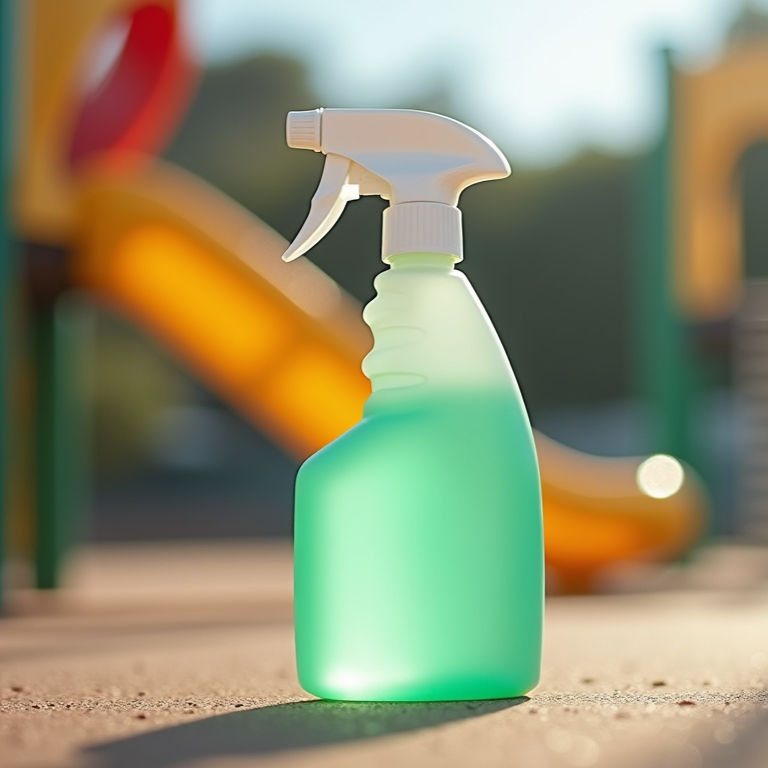
Safe Products Matter
Another important factor is the type of products used.
Playground sanitation should prioritize eco-friendly and child-safe products that are effective against bacteria while remaining safe for children and the environment.
Children’s hands constantly touch playground surfaces. Those same hands often end up on faces, in mouths, or holding snacks.
That is why safe, responsible sanitation practices matter.
Setting the Standard for Safer Play
At The Playground Standard, our approach focuses on both deep cleaning and responsible sanitizing to create a ready-to-play environment for families.
Playgrounds should be places where kids can climb, swing, and explore freely while parents feel confident about the space they are in.
Because when it comes to children’s play spaces, clean is good.
But clean and sanitized is even better.
We believe every playground should be a place where families feel comfortable letting their children run, play, and explore without hesitation. By combining thorough cleaning with responsible sanitizing practices, we help communities maintain playgrounds that support healthier play for everyone.
At the end of the day, it is about creating spaces where childhood memories can be made safely and confidently.
The Playground Standard - setting the standard for safer, cleaner play.

Comments